


Introduction
Buying a new video game has never been more exciting, yet it has also never been more challenging. Every year, hundreds of new games are released across PC, PlayStation, Xbox, Nintendo Switch, and mobile platforms. Developers promise breathtaking graphics, immersive stories, exciting multiplayer modes, and endless hours of entertainment. Trailers showcase cinematic action, advertisements highlight impressive features, and influencers often generate enormous excitement before a game is even available. With so much marketing surrounding every major release, it is easy to become convinced that the latest title deserves a place in your gaming library. However, once the excitement fades, many players discover that the experience is very different from what they expected. That is why one simple question has become more important than ever: Is This Game Worth Buying?
For many gamers, purchasing a new game is more than just spending money. It is an investment in entertainment, relaxation, and memorable experiences. Some players save for weeks or even months before buying a newly released title, while others carefully wait for seasonal discounts to stretch their gaming budget. Regardless of how often you purchase games, every decision matters because nobody wants to spend money on a title that turns out to be repetitive, unfinished, or simply not enjoyable.
The gaming industry has changed dramatically over the past decade. In the past, buying a game usually meant receiving a complete product that worked as expected right out of the box. Today, things are quite different. Many games launch with downloadable updates, online patches, expansion packs, cosmetic purchases, season passes, and additional content that may not be included in the original purchase price. Some games improve significantly after release through continuous updates, while others struggle with technical issues that take months to resolve. Because of these changes, evaluating whether a game is worth buying requires more research than ever before.
Another reason this question is so important is the increasing cost of modern games. Premium titles often launch at higher prices than ever before, and collectors’ editions or deluxe versions can cost even more. Spending a significant amount on a game without understanding what it offers can lead to disappointment. A beautiful trailer or a well-designed cover does not always guarantee an enjoyable experience. Some games look spectacular but suffer from repetitive gameplay, poor optimization, weak storytelling, or limited replay value. Others may receive average reviews yet become personal favorites because they perfectly match a player’s interests.
Every gamer has unique preferences, and those preferences play a major role in determining whether a game is worth purchasing. Some players enjoy action-packed shooters filled with fast-paced combat and competitive multiplayer matches. Others prefer role-playing games that offer deep character development, engaging stories, and hundreds of hours of exploration. Strategy enthusiasts may enjoy planning complex battles, while simulation fans often appreciate slower, more realistic gameplay. There are also players who simply want relaxing puzzle games or casual adventures they can enjoy after a long day. Since gaming preferences differ from person to person, the answer to the question “Is This Game Worth Buying?” is never exactly the same for everyone.
Research has become one of the smartest habits for modern gamers. Instead of relying solely on advertisements, experienced buyers compare multiple sources of information before making a purchase. They watch gameplay videos to understand how the game actually plays rather than judging it based on cinematic trailers. They read both professional and community reviews to identify strengths and weaknesses. They check whether developers actively support the game with updates, bug fixes, and new content. They also compare pricing across editions and consider whether the game provides enough content to justify its cost. Spending just a little time researching can prevent expensive mistakes and increase the likelihood of buying a game that provides lasting enjoyment.
Gameplay quality is another important factor to consider. While graphics often receive the most attention in promotional material, they are only one part of the overall experience. A visually impressive game can quickly become boring if the gameplay feels repetitive or lacks meaningful progression. On the other hand, a game with modest graphics may remain entertaining for years because of its creative mechanics, engaging challenges, and rewarding progression system. This is why experienced gamers often focus more on gameplay than visual presentation when deciding whether a purchase is worthwhile.
Storytelling can also influence the overall value of a game. Many players purchase games specifically for immersive narratives, memorable characters, and emotional experiences. A well-written story can transform a good game into an unforgettable one, encouraging players to keep exploring until the very end. Meanwhile, games that rely mainly on multiplayer content may provide exceptional value if they maintain active communities, frequent updates, and balanced gameplay. Understanding what kind of experience you expect helps you judge whether a particular title is likely to meet your expectations.
Replay value is another major consideration. Some games can be completed within a few hours and may never be played again, while others offer hundreds of hours of entertainment through side missions, online multiplayer, customization options, multiple endings, or regular content updates. A game that continues to entertain long after the main story ends often represents much better value than one that is quickly forgotten. For many buyers, replayability is just as important as graphics or storytelling because it determines how much enjoyment they receive from their investment.
Technical performance should never be overlooked either. Even an excellent game can become frustrating if it suffers from frequent crashes, long loading times, poor optimization, or unstable online servers. Reading recent player reviews helps identify these issues because performance often improves through updates after launch. Waiting a few weeks or months before purchasing can sometimes result in a significantly better experience, especially for games that receive regular patches and performance improvements.
Budget is another important factor that influences buying decisions. Not everyone purchases every new release, and there is nothing wrong with waiting for discounts. Digital storefronts frequently offer seasonal sales where high-quality games become available at much lower prices. Patient buyers often receive complete editions that include expansion packs and bonus content while paying far less than the original launch price. Smart budgeting allows gamers to enjoy more titles throughout the year without overspending.
Ultimately, deciding whether a game is worth buying is about balancing expectations, personal preferences, quality, and value. Instead of purchasing games based solely on hype or popularity, taking a thoughtful approach helps ensure that every purchase provides genuine enjoyment. Whether you are completely new to gaming or an experienced player looking for your next adventure, asking the right questions before buying can save money, reduce disappointment, and lead to far more satisfying gaming experiences. The goal is not simply to own more games but to build a collection filled with titles that you genuinely enjoy playing. By learning how to evaluate gameplay, reviews, pricing, replay value, technical performance, and your own interests, you will be able to make confident purchasing decisions and answer the important question—Is This Game Worth Buying?—with clarity every time.
What Is “Is This Game Worth Buying?”
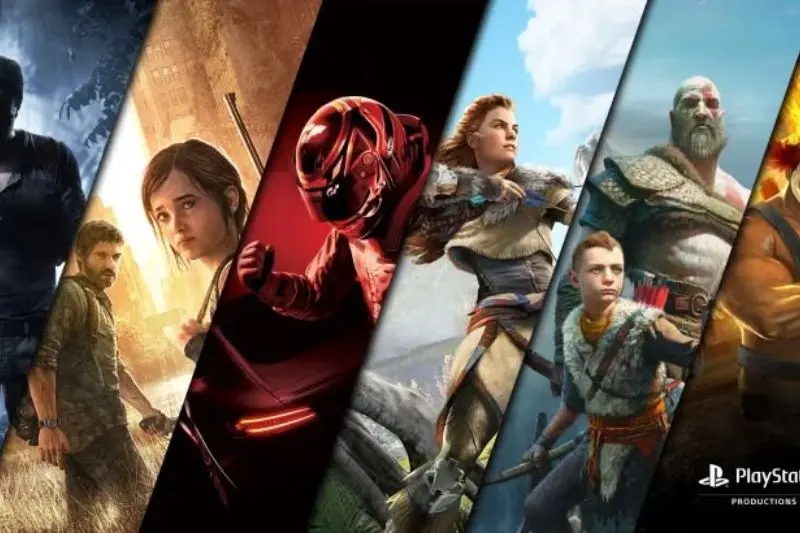
The question “Is This Game Worth Buying?” is a way of evaluating whether a game offers enough quality, entertainment, and value for its price.
Instead of buying a game based only on advertisements or hype, smart buyers consider factors such as:
- Gameplay quality
- Story and characters
- Graphics and performance
- Replay value
- Multiplayer options
- Updates and developer support
- Community reviews
- Overall price
Making an informed decision reduces the chance of buyer’s remorse and helps you spend your gaming budget wisely.
Why Is It Important?
Buying the right game offers several advantages.
First, you save money by avoiding disappointing purchases. Games have become more expensive, making careful research more important than ever.
Second, choosing games that match your interests increases enjoyment. Even a highly rated game may not suit your preferred genre.
Third, researching before buying helps you avoid technical problems such as poor optimization, server issues, or unfinished releases.
Finally, smart buying encourages developers to produce better games because quality products receive stronger support from informed customers.
Step-by-Step Guide to Decide If a Game Is Worth Buying
Step 1: Understand the Game Genre
Before anything else, identify the game’s genre.
Ask yourself:
- Do I enjoy RPGs?
- Do I prefer action games?
- Am I interested in strategy?
- Do I like multiplayer experiences?
Buying within your favorite genre greatly improves satisfaction.
Step 2: Watch Gameplay Videos
Gameplay videos show what actually happens during play.
Pay attention to:
- Combat mechanics
- Character movement
- User interface
- Graphics
- Performance
- Mission variety
Avoid relying only on cinematic trailers because they often do not represent actual gameplay.
Step 3: Read Multiple Reviews
Professional reviews provide technical analysis, while player reviews reveal long-term experiences.
Compare opinions from different sources instead of trusting only one review.
Look for repeated comments regarding:
- Bugs
- Difficulty
- Story quality
- Controls
- Replayability
Patterns usually reveal the truth.
Step 4: Compare the Price
A higher price does not always mean a better game.
Consider:
- Hours of gameplay
- Available content
- Free updates
- Expansion packs
- Seasonal discounts
Sometimes waiting for a sale provides much better value.
Step 5: Check System Requirements
PC players should always compare system requirements with their hardware.
Poor compatibility can cause:
- Low frame rates
- Crashes
- Long loading times
- Graphic issues
Console players should also verify performance on their specific platform.
Step 6: Evaluate Replay Value
Some games remain enjoyable for hundreds of hours.
Replay value may come from:
- Multiple endings
- Different character builds
- Online multiplayer
- Customization
- Mod support
Games with strong replayability usually offer better long-term value.
Step 7: Research Developer Support
Developers who release regular updates improve the overall experience.
Look for:
- Bug fixes
- New content
- Balance updates
- Community communication
Active support often extends the life of a game.
Step 8: Consider Your Personal Preferences
The most important opinion is your own.
Ask yourself:
- Will I actually finish this game?
- Does it match my interests?
- Do I have enough time to enjoy it?
Buying games that fit your lifestyle leads to greater satisfaction.
Benefits of Asking “Is This Game Worth Buying?”
- Helps avoid wasting money.
- Encourages smarter purchasing decisions.
- Reduces disappointment after buying.
- Improves long-term gaming satisfaction.
- Supports quality developers.
- Helps build a collection you’ll actually play.
- Makes better use of limited gaming time.
- Increases confidence before making a purchase.
Disadvantages and Risks
- Spending too much time researching can delay enjoying a game.
- Reviews may reflect personal opinions rather than universal facts.
- Popular games are not always suitable for everyone.
- Waiting for discounts may lead to missing multiplayer launch events.
- Community opinions sometimes change after major updates.
Common Mistakes to Avoid
Many buyers make simple mistakes that lead to regret.
Buying because everyone else is playing
Popularity does not guarantee personal enjoyment.
Ignoring gameplay footage
Trailers often highlight only the best moments.
Skipping player reviews
Real players frequently mention issues that professional reviews overlook.
Buying on release day without research
Early versions sometimes contain bugs or missing features.
Ignoring hardware requirements
Always verify compatibility before purchasing.
Choosing graphics over gameplay
Beautiful visuals cannot compensate for repetitive or boring mechanics.
FAQs
How do I know if a game is worth buying?
Compare reviews, gameplay videos, features, pricing, replay value, and your personal interests before making a decision.
Should I trust professional reviews?
Professional reviews are useful, but combine them with player feedback for a more balanced opinion.
Is it better to wait for discounts?
If you are not in a hurry, waiting for seasonal sales can save a significant amount of money while still giving you the full experience.
Are multiplayer games worth buying?
They can be excellent purchases if they have active communities, stable servers, and regular developer updates.
What if my friends recommend a game?
Recommendations are helpful, but make sure the game also matches your own preferences and gaming style.
Can older games still be worth buying?
Absolutely. Many classic games remain enjoyable because of excellent gameplay, engaging stories, and lower prices.
Expert Tips & Bonus Points
Experienced gamers often follow a few extra strategies before making a purchase.
- Create a monthly gaming budget.
- Maintain a wishlist and track discounts.
- Read both positive and negative reviews.
- Watch at least 20 minutes of real gameplay.
- Check recent updates after launch.
- Buy complete editions when available.
- Focus on quality instead of quantity.
- Finish your current games before purchasing new ones.
- Avoid impulse buying during major sales.
- Think about long-term enjoyment rather than temporary excitement.
These habits help you make better buying decisions and build a library filled with games you genuinely enjoy.
Conclusion
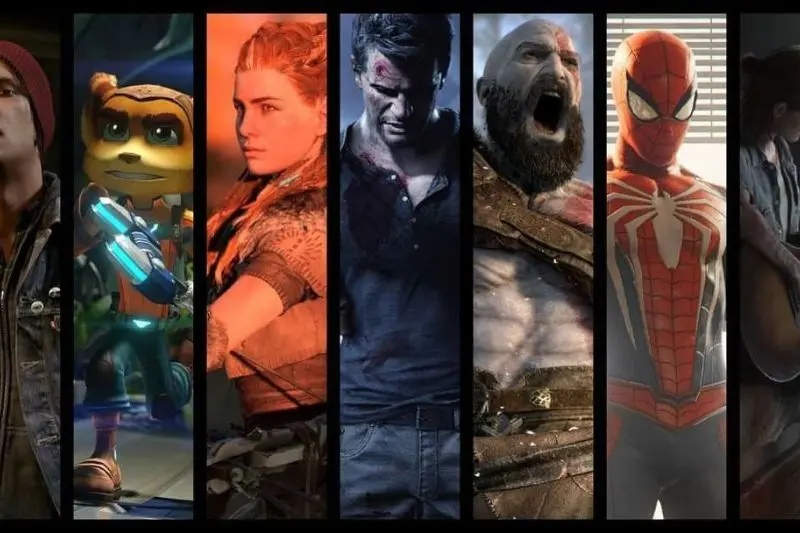
Deciding whether a game is worth buying is no longer as simple as looking at the cover art or watching a short promotional trailer. The gaming industry has evolved rapidly, and modern games vary greatly in terms of quality, content, pricing, and long-term support. While some titles exceed expectations and provide hundreds of hours of entertainment, others may fail to deliver on their promises despite impressive marketing campaigns. That is why taking the time to research before making a purchase is one of the smartest habits any gamer can develop.
Throughout this guide, we have explored the most important factors that help answer the question, “Is This Game Worth Buying?” From understanding the game’s genre and watching real gameplay footage to reading professional and player reviews, comparing prices, checking system requirements, and evaluating replay value, every step contributes to making a more informed decision. Rather than relying solely on advertisements or online hype, gathering information from multiple sources gives you a realistic picture of what the game truly offers.
It is also important to remember that there is no universal answer for every player. A game that receives outstanding reviews may not suit your personal preferences, while a lesser-known title could become one of your all-time favorites. Your gaming style, available free time, preferred genres, and budget all play an important role in determining whether a particular game offers good value. The best purchase is not necessarily the most expensive or the most popular one—it is the game that provides an enjoyable experience that matches your interests and keeps you engaged long after you start playing.
Patience can also be a valuable strategy. Waiting for discounts, complete editions, or post-launch updates can often result in a better gaming experience while saving money. Many games improve significantly after release through bug fixes, performance updates, and additional content. By avoiding impulse purchases and planning your gaming budget carefully, you can build a collection of high-quality games without overspending.
Ultimately, every purchase should be viewed as an investment in your entertainment. Instead of focusing only on graphics or popularity, consider the complete experience, including gameplay, storytelling, technical performance, replayability, and developer support. A well-researched decision leads to greater satisfaction, fewer disappointments, and more memorable gaming moments. Whether you are a beginner buying your first game or an experienced gamer expanding your library, asking “Is This Game Worth Buying?” before every purchase will help you spend wisely, discover games that truly fit your interests, and enjoy countless hours of rewarding gameplay. Making thoughtful choices today will ensure that every future addition to your collection is one you will genuinely appreciate and return to again and again.
